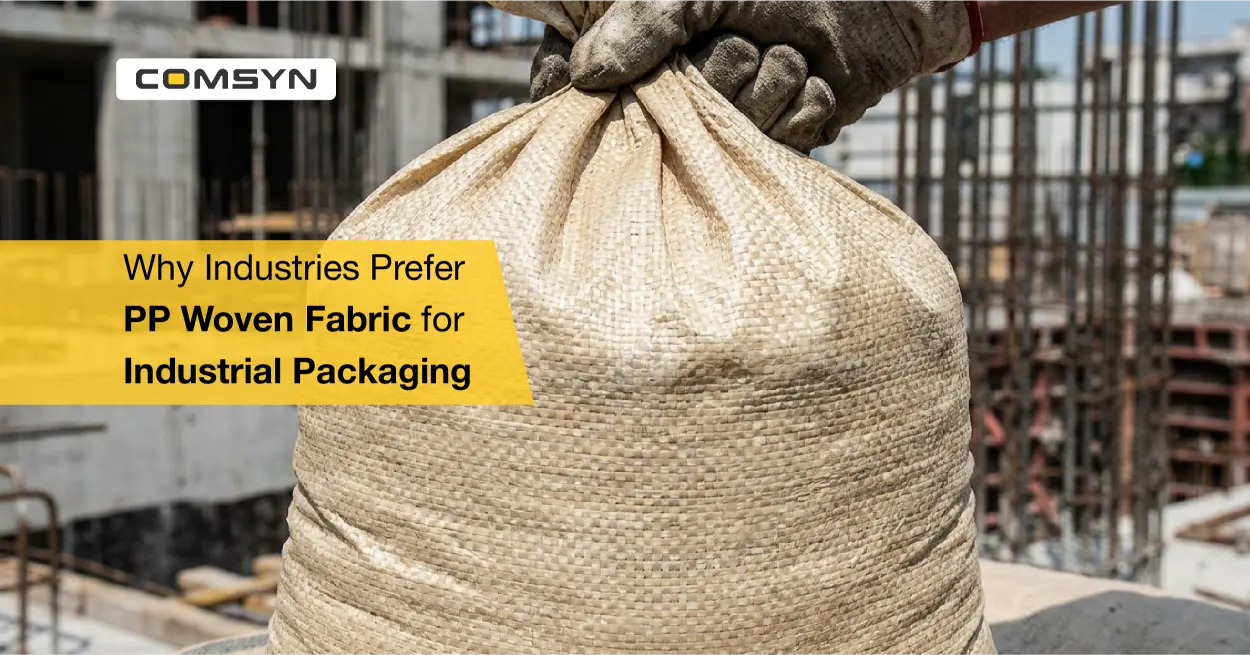
Packaging for industrial products is essential in keeping them safe while being stored, transported, or handled. Regardless of whether the item being packaged is agricultural, chemical, fertilizer, cement, food, or construction, companies require strong, dependable, and cost-effective solutions for their packaging needs. Therefore, the industrial packaging industry has found that woven polypropylene (PP) fabrics are the best solution to meet their demands for packaging. Woven polypropylene (PP) fabric is well-known for its strong, durable, and highly versatile nature, as well as being able to hold a large amount of weight. These characteristics make PP woven fabric the preferred material for the majority of industrial packaging. Because of these reasons, PP woven fabric is used to manufacture many different types of industrial packaging, including woven sacks and FIBCs (Flexible Intermediate Bulk Containers), BOPP (Bi-axially Oriented Polypropylene) bags, geotextiles, tarpaulins, and ground covers. In this blog post, we will discuss what PP woven fabric is, some of the benefits associated with using it, and the various types of PP woven fabrics available; we will also compare it to HDPE (High-Density Polyethylene) woven fabrics. Polypropylene woven fabrics are created with polypropylene, a thermoplastic known for its strength, flexibility, and moisture/chemical resistance. They are made by extruding PP into flat strands (tapes) that are then woven together to create a fabric that has a very strong structure, but is lightweight and inexpensive. The strength of this type of woven construction gives woven polypropylene fabric excellent tensile strength. Because of the superior performance characteristics of PP woven fabrics, they are used extensively in the packaging, agriculture, construction, and infrastructure industries. The materials used for packaging in industrial applications must be able to withstand rough handling, exposure to harsh environmental conditions, and hold very heavy loads. PP (polypropylene) woven fabric is a material that meets these requirements exceptionally well. An enormous advantage of woven PP fabric is that it has very high tensile strength. Because of its woven structure, PP woven fabrics can carry a large weight without ripping or overly stretching. Examples of products commonly packaged in PP woven fabric include cement, fertilizers, grains, animal feed, chemicals, minerals, and construction products. Although the fabric is very strong, it is also lightweight. Reducing the weight of the package reduces the transportation costs and logistics costs associated with the product while maintaining the safety of the product. Unlike many traditional packaging materials, PP woven fabric has very good moisture resistance and can provide protection for products from humidity, water, and environmental conditions during transportation and storage. Because PP woven fabrics perform at a very high level while being available at an affordable cost, industries can pick PP woven fabrics over other packaging materials. Additionally, their long life span and ability to be reused make them an even more economically viable option. PP has excellent resistance to many chemicals, acids, and alkalis. Therefore, PP woven fabrics are well-suited for chemical and industrial packaging applications. Many companies that utilize PP woven packaging products will reuse them multiple times, which can help to minimize the amount of packaging waste generated by businesses and improve their sustainability initiatives. Polypropylene woven fabrics are gaining popularity because they have excellent physical and mechanical properties. PP woven fabrics are designed to carry substantial loads while still maintaining their structural integrity. Woven fabrics contained within a UV-stabilized format have excellent resistance to damage due to prolonged exposure to UV light, which makes them useful for use outside. These fabrics can be produced in many sizes, colours, GSM ranges, and specifications so that they may be used in a variety of industries. The woven format provides an increased level of resistance to tearing, puncturing, and abrasion, thereby giving better protection for the items within the fabric. PP woven fabrics are capable of having additional lamination applied and have the capacity to have logos, product information, and brands printed on the,m which makes them very appropriate for packaging either in a retail or industrial setting. Each industry has its own specific performance characteristics. Therefore, there are many different types of PP woven fabric available from manufacturers. Examples of unlaminated PP woven fabric are rice bags, flour bags, feed bags, and agricultural packaging. Examples of laminated PP woven fabric are cement packaging, chemical packaging, and construction. Examples of BOPP laminated woven fabric include retail, food, consumer, and premium industrial packaging. Examples of UV-stabilized PP woven fabric include tarps, ground covers, agricultural crop coverings, and geotextiles. Examples of circular woven fabric include bulk bags, industrial sacks, and flexible packaging. The nature of woven polypropylene makes this type of fabric very versatile and can be used in many different types of industries, including; Seed bags, Fertilizer bags, Feed bags, Ground covers & crop protection solutions. Cement (dry) bags, Sand bags, Geotextiles, & Tarps. Chemical storage bags, Powder packaging & moving industrial raw materials. Rice bags, Flour bags, Sugar bags, & Food-grade woven bags. Bulk packaging, Sacks for shipping, FIBCs, & Solutions for storage. Many businesses compare PP vs. HDPE Woven Fabrics when selecting industrial packaging materials. While both offer excellent performance, their characteristics differ. Heavyweight items are to be moved; tensile strength is required; industrial packaging needs strength; items need to be stored for an extended period; and printing will be done on the material. Where flexibility is needed, lightweight end products will result, and/or outdoor usage must be considered. Choosing a competent weave supplier is equally as critical as choosing a good cloth. A dependable textile producer can provide: As industrial companies look for stronger, lighter, and more sustainable packaging materials, PP woven fabric is leading the way in developing new and improved solutions. Manufacturers are creating advanced types of woven fabric that offer improved tensile strength, greater UV resistance, increased recyclability, and enhanced printing capabilities. The demand for PP woven fabric will continue to grow among manufacturing industries such as Agriculture, Construction, Chemical, Food Processing, and Logistics, which means that polypropylene woven fabric will likely remain the most commonly used industrial packaging material throughout the world. PP Woven Fabric is widely used in a variety of industries due to its superior strength, durability, resistance to water, and cost-effectiveness. Woven polypropylene packages (which include industrial sacks, food packaging, construction materials, and agricultural bulk storage solutions) all provide reliable performance. Understanding the various types/types of woven fabrics and the differences between the two categories – Polypropylene and High-density polyethylenes (HDPEs) – allows businesses to make informed decisions about their packaging choices and the right product to suit their needs. As industrial packaging evolves, PP Woven Fabric continues to be a valuable resource for firms looking to improve efficiency, durability, and generate long-term value. Are You Searching for a High-Quality PP Woven Fabric Product? Comsyn creates high-quality woven polypropylene fabric products with engineered properties suitable for industrial packaging applications, including agricultural implements; FIBC’s (flexible intermediate bulk containers); BOPP bags; geotextiles; and custom-designed packages. Please reach out to one of our associates to discuss your packaging needs and determine what type of solution will work best for your company. PP woven fabric is widely used for various industrial packaging applications as it possesses the properties of strength, durability, and good price/performance. These include sacks, FIBCs, BOPP bags, tarps, ground covers, geotextiles, agricultural packaging, and protective coverings. Typical types of PP woven fabrics include laminated PP woven fabric, non-laminated PP woven fabric, coated woven fabric, circular woven fabric, flat woven fabric, and woven fabric with UV stabilization. Each type has a specific application need. Generally speaking, compared to HDPE woven fabrics, PP woven fabrics have greater tensile strength, improved stiffness/rigidity, and better load-bearing capabilities. On the other hand, HDPE woven fabrics offer more flexibility and impact resistance; therefore, they perform better than PP woven fabrics in applications where lightweight materials are required. Many industries choose to use PP wound fabric for their industrial packaging due to its lightweight, tear-resistant, moisture-resistant, reusable, low-cost, and ability to carry very heavy loads. In addition, PP woven fabric is a perfect choice for packaging products including fertilizers, chemicals, food grains, cement, and building materials.Why Do Industries Prefer PP Woven Fabric for Industrial Packaging?
What Is PP Woven Fabric?
Why Do Industries Choose PP Woven Fabric for Packaging?
Key Properties of Polypropylene Woven Fabrics
Types of PP Woven Fabrics
Major Industrial Applications of Woven PP Fabric
PP vs. HDPE Woven Fabrics
Feature
PP Woven Fabric
HDPE Woven Fabric
Material
Polypropylene
High-Density Polyethylene
Strength
Higher tensile strength
Moderate tensile strength
Stiffness
Higher
Lower
Flexibility
Moderate
Higher
Load-Bearing Capacity
Excellent
Good
Moisture Resistance
Excellent
Excellent
Chemical Resistance
Excellent
Excellent
Packaging Applications
Heavy-duty packaging
Lightweight packaging
Cost Efficiency
Highly economical
Economical
When is polypropylene woven fabric preferred?
When is high-density polyethylene woven fabric preferred?
Benefits of Choosing a Reliable Woven Fabric Manufacturer
The Future of PP Woven Fabric in Industrial Packaging
Conclusion
FAQs

- About Us
- Products
- Markets Served
-
- Investor Relation
- Board Of Directors
- Committees Of Board
- Corporate Governance
- Financials
- Annual Report
- Key Managerial Positions
- Shareholding Pattern
- Notices
- Policies Programme
- Announcements
- Statement of Investor Complaints
- Unpaid & Unclaimed Dividend
- Prospectus
- Investors Contact
- Subsidiary Financials
- IEPF
- Preferential Issue – 2024
- MOA & AOA
- Integrated Filing
- Sustainability
- Contact Us
- TechTex
- Brochure