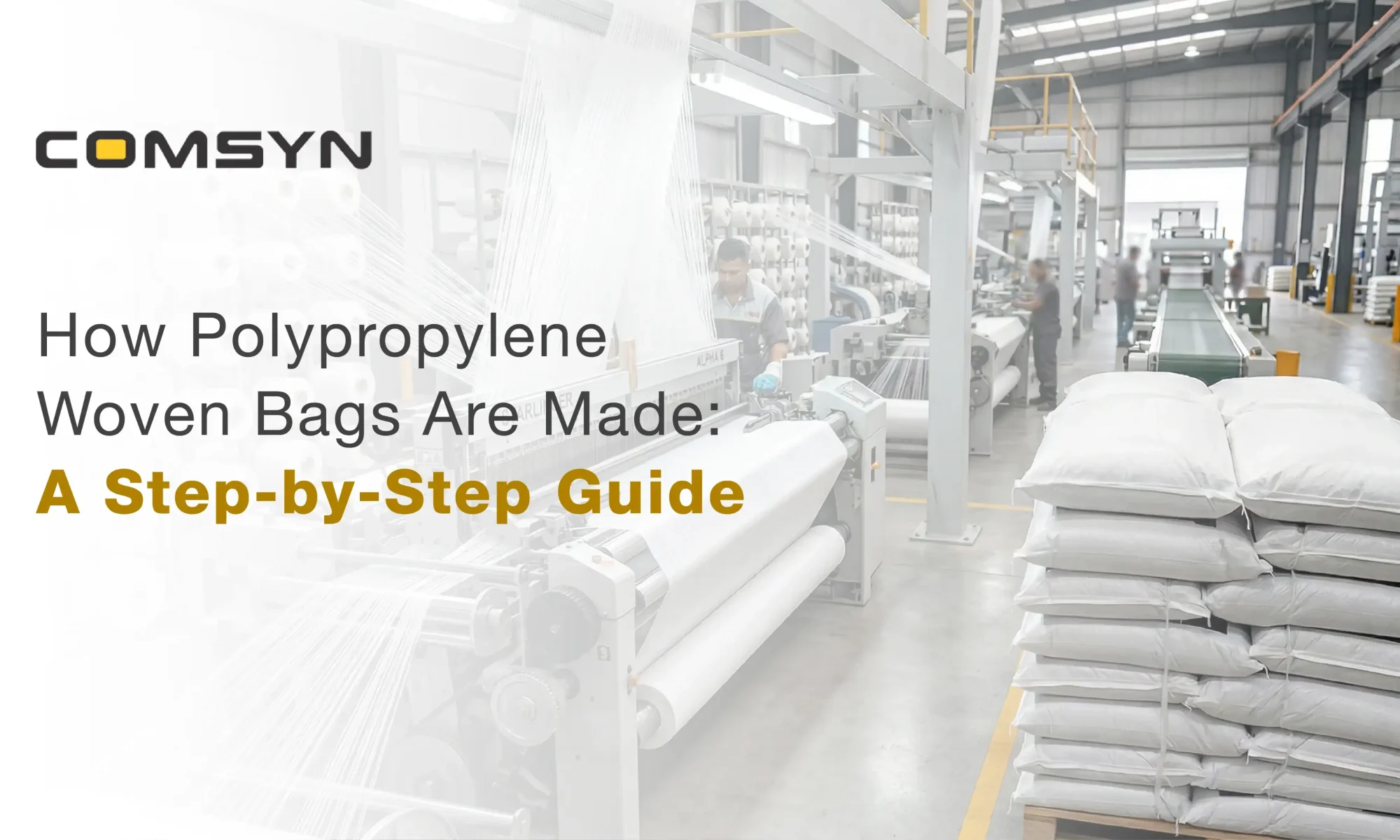
Polypropylene woven bags are a reliable packaging option for industries where safe storage, transportation, and durability of products are of utmost importance. Businesses across many different industries, including agriculture and food products, cement, and chemicals, use polypropylene woven bags due to their great strength, flexibility, and cost-effectiveness. A bulk packaging solution must protect materials from moisture, contamination, and damage throughout the entire process of handling the materials from transport to storage. These characteristics are the reasons that these woven bags made from polypropylene are used throughout the global supply chain. The process of making polypropylene woven bags consists of several distinct steps, including raw material selection, extrusion, weaving, finishing, and rigorous testing. At each step in the production of polypropylene woven bags, the manufacturer makes sure that the end product meets the industrial quality standards. This guide will give you a complete overview of how polypropylene woven bags are manufactured, what high-grade polypropylene is, when recycled polypropylene is used, and why polypropylene woven bags are often used in bulk packaging for industrial purposes. Woven polypropylene packaging is made out of polypropylene, which is then woven into a durable and flexible fabric by weaving together plastic/polypropylene tape. Woven polypropylene bags have excellent tensile strength, flame resistance, durability, and tear resistance due to how they are constructed. Woven polypropylene bags are created from high-quality polypropylene tape, which is melted, stretched out into tape, and then woven into fabric prior to being turned into a finished packaging bag. Woven polypropylene packaging bags are used to transport a variety of items, including grains, fertilizer, cement, animal feed, chemicals, and building materials, due to their versatility and strength. The main material used to create bags, polypropylene (a high-quality thermoplastic), has many beneficial characteristics, including; Utilizing high-quality raw materials allows the bags to be durable and to perform well through rough handling, pressure from stacking, and stress from being transported. Some manufacturers have utilized recycled polypropylene in the manufacturing of woven packaging bags for various applications. The use of recycled polypropylene aids the manufacturer by decreasing the price of production and providing a cleaner product for the environment. However, the actual use of recycled polypropylene is primarily in non-food applications since they don’t require the super strength of the packaging material. Some examples of industries using recycled polypropylene would be: – Construction materials – Sandbags – Conveying of raw materials for manufacturing The prevalence of polypropylene woven bags in the industrial packaging industry can be attributed to: These unique characteristics make polypropylene woven bags among the best bulk-packaging options for industrial supply chains. The first step in the process of producing woven bags is the selection of suitable raw materials. Polypropylene is typically obtained in the form of small plastic granules (also called pellets). The quality of these granules affects the strength and durability of the finished product. Before proceeding with production, manufacturers carefully evaluate each type of material to ensure it possesses the necessary characteristics of consistency, purity, and strength. Manufacturers generally have two options regarding the type of material they want to use: virgin polypropylene or recycled polypropylene. Selecting the appropriate material will ensure that these woven polypropylene bags will meet both performance and regulatory requirements. Quality Verification Before Woven Bags Production Before production can start, all materials must undergo a series of quality assessment tests, including: All of these tests are designed to verify whether the raw material will function properly during the extrusion and weaving processes. Once the correct materials have been determined for woven bags manufacturing, the extrusion process is used. Polypropylene granules are placed in an extruder machine and heated to melt the plastic granules to a liquid state. The liquid polypropylene is then forced through a flat die and turned into a very thin film that can be slitted into tape. The next step includes slitting the film to make the tape, then stretching it (to create an oriented product). To create an oriented tape, the tape is reheated and then mechanically pulled apart to align the molecules within the composite and develop the maximum amount of strength. By stretching the tape, the tensile strength increases significantly. The final calibration of the tapes is done to confirm that the tapes will meet the specified maximum strengths as required for industrial use. The two key factors in selecting the correct tape for woven bags include: This is necessary to ensure the finished woven bags can hold the heaviest of loads without tearing. After the production of the tape is finished, the next step in the process involves weaving the tape into fabric. To create a sturdy and durable fabric tube, the tapes are fed onto a circular loom, which essentially takes and interlaces the individual tapes together. This woven fabric structure is ultimately what provides polypropylene woven bags with both outstanding flexibility and strength. Circular looms represent a technologically advanced machine specifically created for the purpose of weaving polypropylene tapes together to produce woven fabric bags. They are also capable of: Compared to traditional looms, weavers who use modern looms can achieve a consistent level of quality throughout the woven fabric. The two most important measures of fabric performance include: The greater the fabric’s GSM and/or how tightly the thread is woven, produces a stronger the bag is, suitable for heavy-duty industrial packaging. Once a woven fabric is created, it may be laminated or coated to suit the specific use of the product. Lamination and coating improve the durability, moisture resistance, and appearance of the woven fabric. Woven Laminate Bags Have WWater-ResistantProperties Companies can also print on the bags for branding and for providing product information. Some of these printing options are: By customizing the printing of a woven bag, it becomes a marketing tool for a company, as well as providing a way to package a product. After laminating and printing (completed), the woven rolls of fabric will then go to bag conversion. The fabric is turned into complete bags through the processes of cutting, stitching, and finishing. Heat cutting will produce a clean, sealed edge on all cut fabric pieces to meet this stage’s requirements. The use of special heat-cutting machines allows woven fabric to be cut into the length required to manufacture each type of bag (with seams). The use of heat cutting provides: The Manufacturer May Create a Variety of Bag Options by Adding: These options for customizing polypropylene woven bags enable manufacturers to meet a wide range of product packaging needs in many different industries. Manufacturers carry out rigorous quality assurance inspections on their products before shipment to confirm durability, security, and adherence to international quality assurance policies. Load test, food-safe requirements, and export compliance testing are examples of ordinary quality control measures that are carried out, such as: In addition to conformance to food safety guidelines, bags must meet additional documentation as they relate to export requirements. Polypropylene woven bags provide an incredibly durable and versatile packaging option for the industry as follows: Polypropylene woven bags are used widely because of their robustness and ability to provide affordable bulk packaging. Manufacturers such as Comsyn produce the most advanced woven bags by utilizing superior-grade polypropylene combined with advanced manufacturing techniques to create the highest-performing packaging solutions available today. Comsyn specializes in: Comsyn manufactures polypropylene woven bags to support many industries requiring durable and dependable packing. They also produce BOPP laminated bags and other specialized woven packaging products for many industrial applications. 1. What kind of inspections do you need to perform to ensure the quality of woven bags? Quality control checks must include a variety of tests such as tensile strength testing, burst resistance testing, GSM measurement, UV resistance testing, and dimensional accuracy checks. 2. How do you test the quality of polypropylene woven bags during the production process? Manufacturers will test raw materials, monitor extrusion strength, check the quality of the woven fabric, and perform load and drop testing before final shipment. 3. What type of inspection/testing will you perform to verify that your bags are durable? To verify the durability of the woven bag, tensile strength tests, seam strength tests, UV resistance tests, and stacking load simulations will be performed. 4. What types of methods do you use to test the strength of woven bags? Specialized equipment is used for tensile strength, bursting strength, and load carrying capacity testing of woven bags. 5. How does Comsyn provide a high level of quality control on its woven bags? Comsyn implements stringent quality control throughout the entire woven bag manufacturing process. At each step, Comsyn performs inspections or tests to ensure compliance with the industrial packaging standards for each of its products.How Polypropylene Woven Bags Are Made: A Step-by-Step Guide
What Are Polypropylene Woven Bags?
Role of High-Grade Polypropylene in Durability
When is Recycled Polypropylene Used in Woven Bags?
Why Woven Bags Lead as a Bulk Packaging Solution
Step 1: Sourcing High-Grade Polypropylene
Step 2: Extrusion & Tape Formation Process
Step 3: Weaving the Fabric Structure
Step 4: Lamination, Printing & Coating
Step 5: Cutting, Stitching & Finishing
Quality Control, Compliance & Applications of Polypropylene Woven Bags
Comsyn Woven Bags: Quality You Can Trust
FAQs

- About Us
- Products
- Markets Served
-
- Investor Relation
- Board Of Directors
- Committees Of Board
- Corporate Governance
- Financials
- Annual Report
- Key Managerial Positions
- Shareholding Pattern
- Notices
- Policies Programme
- Announcements
- Statement of Investor Complaints
- Unpaid & Unclaimed Dividend
- Prospectus
- Investors Contact
- Subsidiary Financials
- IEPF
- Preferential Issue – 2024
- MOA & AOA
- Integrated Filing
- Sustainability
- Contact Us
- TechTex
- Brochure