Thus, there is bulk packaging. Manufacturers in search of reliable, durable, cost-effective methods of material management have been looking for bulk bag packaging for its increasing demand. This blog will show the importance of bulk packaging in industrial applications and how companies like Comsyn are leading with sustainable and efficient solutions. Efficiency is one of the major reasons why industries opt for bulk packaging solutions. With bulk bags, lots of materials can be moved in fewer trips, thus saving time and labor in shipping and handling. This saving in time is important in moving great portions of goods as quickly as possible. Concerning bulk packaging with bags, storage, and transportation also seem to take on a more ordered appearance. The large, flexible containers can be placed and even transported with ease, thus availing more floor space within warehouses and making it easy to manage the stock. As large volumes of goods can be moved in reduced trips, productivity increases further and the pressure on logistics is decreased as well. Bulk packaging also saves money in terms of cost. When shipping large amounts of materials at once, companies can spend less on transport costs because they move more goods in fewer shipments. Reductions in trips help to reduce fuel consumption and labor, thus saving significantly over time. Bulk packaging materials also do away with excess packaging as the bulk bag contains huge quantities of goods at one go, thus saving the overall material to be used in packaging. This saves money besides reducing the waste of products and leads to sustainable practices. Safety is one of the serious concerns and the most sensitive issue while working in any industrial environment; therefore, bulk bag packaging becomes a feasible one for safety at the workplace. Bulk bags are of great strength and even durability, thus reducing the possibility of spillage or breakage at handling and transporting. They are made of robust materials and designed to withstand heavy industrial usage by preventing goods from getting damaged during transportation. Further, bulk packaging products reduce the risks of injury while handling large quantities of goods. Lifting straps are fitted in bulk bags to easily be handled by forklifts or cranes for easy maneuvering and very little labor handling and accident cases in the workplace, hence an easily safe solution for heavy loads. In this new era of conscious industrial practices, sustainability would be a characteristic feature of the practice; therefore, excellent packaging about its environmental benefits is paramount. Multi-usages may make it possible to use the bag repetitively; hence, there would be a reduction in the usage of single-use packaging and the overall requirement of the product from the environment. Apart from that, bulk bag packaging helps reduce the carbon footprint of industries. This is because bulk packaging allows companies to send large quantities of goods at one time. This minimizes the number of shipments and therefore reduces carbon emissions in transport. In that sense, bulk packaging is a more eco-friendly solution that responds to the growing world’s concern about sustainable business operations. Bulk and non-bulk packaging serve distinct roles within the supply chain. Bulk packaging is optimized for high-volume, industrial applications, while non-bulk packaging is designed to cater to smaller quantities and consumer-oriented needs. Bulk packaging bags are designed for versatility, making them an ideal solution for a wide range of industries. They can accommodate various materials—whether powdery, granular, or solid—and are fully customizable to meet specific operational needs. Below are some of the key industries that benefit from bulk packaging bags: These industries leverage the customizable nature of bulk packaging bags, allowing them to select the most effective solutions for enhancing efficiency, safety, and overall operational performance. Bulk packaging is an extremely important application in the bag industry and to the world at large, which can provide numerous benefits like an increase in efficiency, cost savings, improved safety, and sustainability. This ability to carry bulk cargo in a smaller number of journeys, with the elimination of packaging waste and improving workplace safety, makes bulk bags an essential tool in industries handling a high volume of materials. Comsyn leads the market in terms of providing creative bulk packaging solutions. The company’s products are a line of custom-made bulk bags that can meet different demands within industries. Contact Comsyn today to learn how its wide-ranging bulk bag packaging solutions can benefit you. Bulk packaging refers to the storing and transportation of large volumes of materials, which optimizes logistics and reduces waste in the market; thus, it is essential in the bag industry. Bulk packaging saves the time and labor associated with industrial use by facilitating more freight in fewer movements. Bulk bags can be used to store or carry powders, and granular, solid, as well as liquid materials in agriculture, chemical, construction industries, etc. The benefits of saving costs with bulk bag packaging include lower transportation costs and reduced need for excess packaging materials. Bulk packaging enhances workplace safety by not causing spillage, breakage, or injury at the time of handling. Chemical producers benefit from bulk bags by ensuring safe, efficient, and cost-effective storage and transport of hazardous materials. In construction, bulk bags are used to store and move heavy materials like sand, cement, and aggregates efficiently. In agriculture, bulk bags can be employed for storing and transporting fertilizers, seeds, harvested crops, and animal feed.Why Bulk Packaging Matters in the Bag Industry?
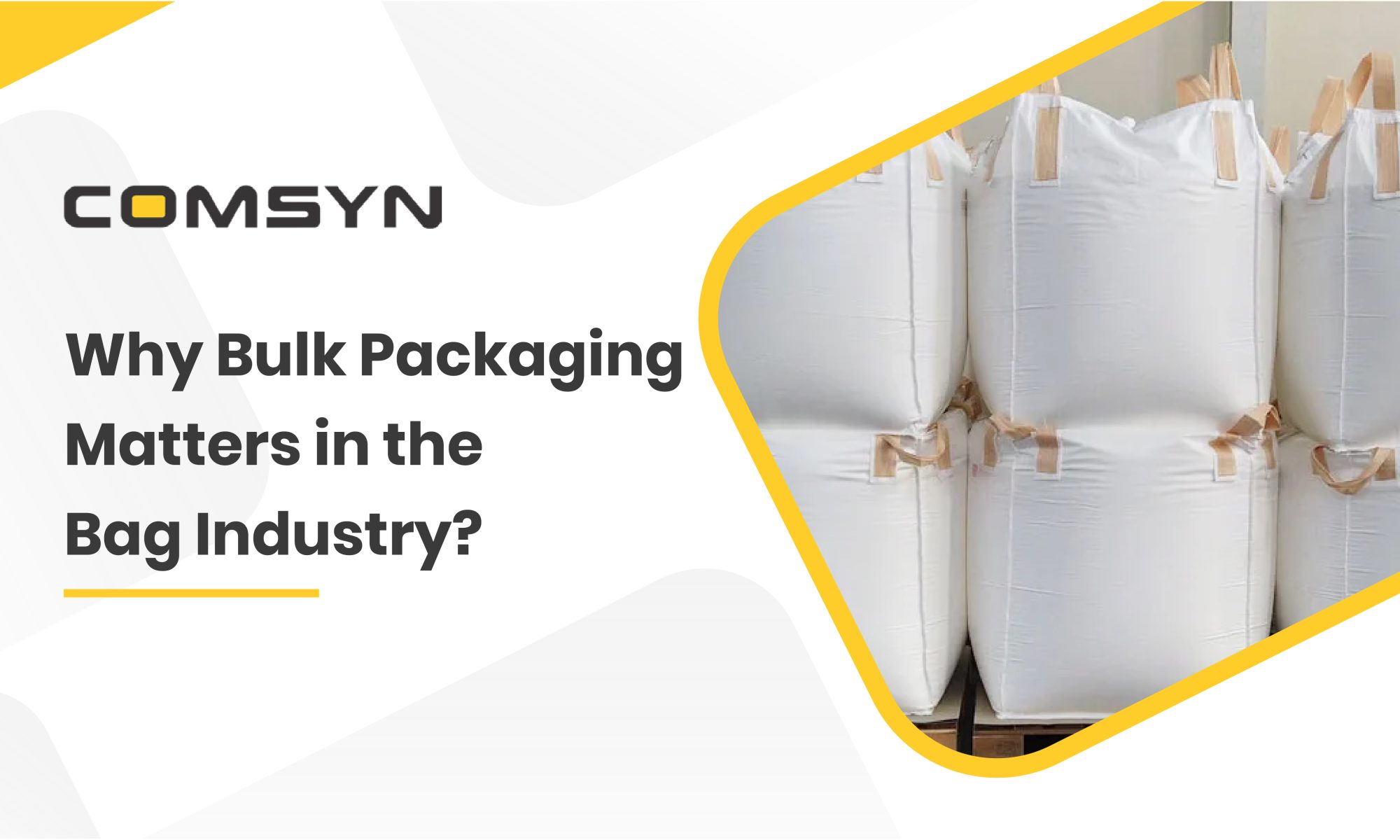
In the fast industrial world of today, Bulk Packaging has become an important part of efficient operations, especially in the bag industry. From agriculture to construction and chemicals, large-volume material industries always look forward to convenient and reduced costs in logistics and processing. In such a scenario, there has been a tremendous call for something that can streamline the transport and storage of goods in large quantities. Advantages of Bulk Bags in Industrial Applications

Boosting Efficiency with Bulk Bags
How Bulk Packaging Reduces Costs
Improving Safety and Durability with Bulk Bags
Sustainability Benefits of Bulk Packaging
Key Differences Between Bulk and Non-Bulk Packaging
Industries Where Bulk Packaging Bags Shine

Ideal for storing and transporting grains, fertilizers, and other crop-related products.
Suited for handling chemical powders and liquids, ensuring safe storage and transport.
Perfect for heavy-duty materials such as cement, sand, and aggregates.
Provides hygienic and secure packaging for raw food ingredients and other food products.
Facilitates the efficient handling of ores and minerals in large quantities.
Ensures safe containment and transportation of bulk raw materials and ingredients. Conclusion
FAQ

- About Us
- Products
- Markets Served
-
- Investor Relation
- Board Of Directors
- Committees Of Board
- Corporate Governance
- Financials
- Annual Report
- Key Managerial Positions
- Shareholding Pattern
- Notices
- Policies Programme
- Announcements
- Statement of Investor Complaints
- Unpaid & Unclaimed Dividend
- Prospectus
- Investors Contact
- Subsidiary Financials
- IEPF
- Preferential Issue – 2024
- MOA & AOA
- Integrated Filing
- Sustainability
- Contact Us
- TechTex
- Brochure