Packaging plays a critical role in protecting products, improving shelf appeal, and ensuring safe transportation across industries. In sectors such as food, agriculture, fertilizers, chemicals, and retail, strong and visually appealing packaging is essential. One of the most widely used solutions for these requirements is BOPP Bags. Known for their durability, excellent print quality, and moisture resistance, BOPP Bags have become a preferred choice for modern packaging. These bags are widely used for packing rice, flour, animal feed, seeds, fertilizers, and many other products that require both protection and attractive presentation. This complete guide explains what BOPP Bags are, how they are made, their key benefits, and the industries where they are commonly used. BOPP Bags are packaging bags made from woven polypropylene fabric laminated with BOPP (Biaxially Oriented Polypropylene) film. The lamination process gives the bag a smooth surface that allows high-quality printing while maintaining the strength of woven polypropylene. These bags combine the strength of woven fabric with the visual appeal of printed film, making them ideal for both industrial and retail packaging. BOPP stands for Biaxially Oriented Polypropylene, which refers to a special plastic film that is stretched in two directions during manufacturing. This process improves strength, clarity, and durability. When BOPP film is laminated onto woven polypropylene fabric, it creates a bag that is: This combination makes BOPP Bags one of the most reliable packaging solutions for bulk and retail products. The manufacturing process of BOPP Bags involves multiple steps to ensure strength, durability, and print quality. The base of the bag is made from woven polypropylene tape. These tapes are woven together to create a strong fabric capable of handling heavy loads. The BOPP film is printed using advanced printing technology. This allows manufacturers to create high-resolution designs, logos, and product information. The printed BOPP film is laminated onto the woven fabric. This step gives the bag a glossy finish and improves resistance to moisture and wear. After lamination, the fabric is cut and stitched into the final bag shape. Additional features such as liners, handles, or gussets may also be added. This process ensures that BOPP Bags are strong enough for industrial use while also providing an attractive appearance. The popularity of BOPP Bags comes from the multiple advantages they offer compared to traditional packaging materials. BOPP laminated bags are made from woven polypropylene, which provides excellent tensile strength. These bags can carry heavy loads without tearing or breaking. This makes them suitable for products such as: One of the biggest advantages of BOPP Bags is their ability to support high-quality printing. The laminated surface allows clear and colorful designs, which helps improve brand visibility. Companies can print: This makes BOPP bags ideal for retail packaging and export shipments. The laminated BOPP film provides strong protection against moisture, dust, and external conditions. This helps maintain product quality during storage and transportation. Moisture resistance is especially important for: Even though they are strong, BOPP Bags are lightweight. This helps reduce transportation costs and makes handling easier for workers. BOPP bags are made from polypropylene, which can be recycled. Many bags can also be reused multiple times, making them a cost-effective and environmentally friendly packaging option. Because of their strength and print quality, BOPP Bags are used in many industries. BOPP bags are widely used for packaging food products such as rice, flour, sugar, pulses, and spices. The moisture resistance helps keep food safe during storage and transport. Farmers and agricultural companies use BOPP bags for seeds, animal feed, fertilizers, and grains. The strong woven fabric allows safe handling of heavy materials. Chemicals and fertilizers require packaging that can handle weight and prevent leakage. BOPP laminated bags provide the required strength and protection. Products such as cement, sand additives, and minerals are often packed in BOPP Bags because they can carry heavy loads and remain durable during transport. Because of their high-quality printing, BOPP bags are also used for retail packaging where product appearance is important. Different products require different bag designs. Manufacturers offer several types of BOPP Bags depending on the application. Used for general packaging of grains, fertilizers, and industrial products. These bags have extra space on the sides, allowing them to hold more material and stand upright. Used for products such as cement and powders where automatic filling is required. These include an inner liner to provide extra protection against moisture and contamination. Choosing the right type of bag ensures safe storage and efficient handling. The performance of BOPP Bags depends on the quality of raw materials and manufacturing processes. Poor-quality bags may tear, leak, or lose print quality, which can lead to product damage and financial loss. Reliable manufacturers follow strict quality standards, including: Manufacturers with advanced production facilities ensure that the bags meet industrial and export requirements. Companies with strong manufacturing expertise provide packaging solutions designed for durability, safety, and long-term performance across industries. As industries grow and supply chains become more organized, the demand for strong and attractive packaging continues to increase. BOPP Bags are expected to remain one of the most preferred packaging solutions because they combine strength, flexibility, and branding capability. New developments in printing technology, lamination processes, and recyclable materials are making these bags even more efficient and environmentally friendly. Manufacturers that focus on innovation, quality control, and customization will continue to support industries with reliable packaging solutions for the future. BOPP Bags are used for packaging products such as rice, grains, fertilizers, chemicals, animal feed, and construction materials because they provide strength, moisture protection, and high-quality printing. Normal polypropylene bags are woven bags without lamination, while BOPP bags have a laminated film that allows better printing, improved strength, and moisture resistance. Yes, BOPP Bags are commonly used for food packaging because they provide protection from moisture, dust, and contamination while maintaining product quality. Yes, BOPP Bags can be printed with logos, product details, and branding using high-quality printing technology. A reliable manufacturer ensures strong material, proper lamination, durable stitching, and high-quality printing, which helps prevent product damage and improves packaging performance.What Are BOPP Bags? Complete Guide to Uses, Benefits, and Applications
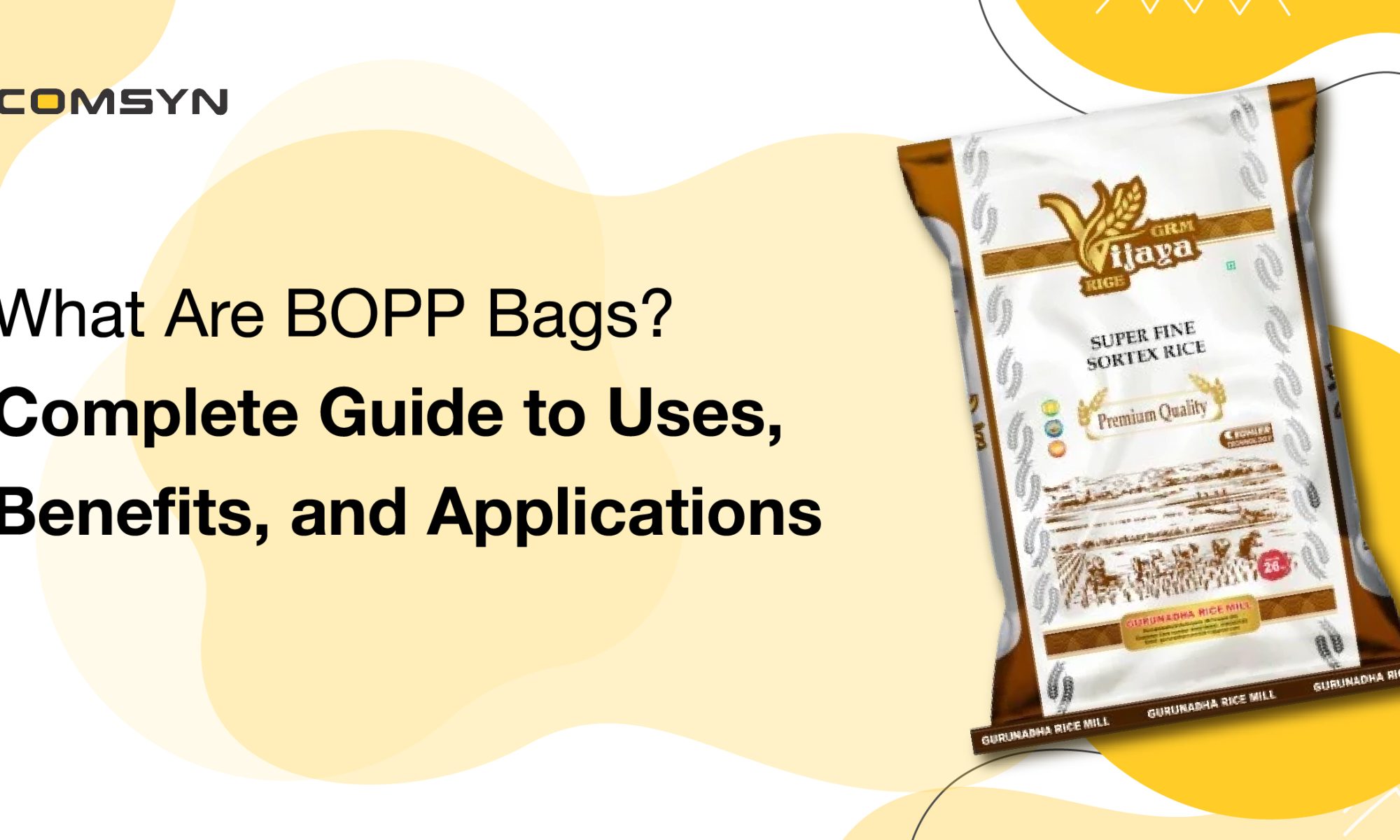
What Are BOPP Bags?
What Does BOPP Mean?
How BOPP Bags Are Manufactured?
Step 1 – Woven Polypropylene Fabric
Step 2 – BOPP Film Printing
Step 3 – Lamination Process
Step 4 – Cutting and Stitching
Key Benefits of BOPP Bags
High Strength and Durability
Excellent Print Quality
Moisture and Weather Resistance
Lightweight but Strong
Reusable and Recyclable
Common Uses of BOPP Bags
Food Industry
Agriculture Industry
Chemical and Fertilizer Industry
Construction Materials
Retail and Consumer Products
Types of BOPP Bags
Standard BOPP Laminated Bags
Gusseted BOPP Bags
Valve Type BOPP Bags
Liner Fitted BOPP Bags
Why Quality Matters in BOPP Bags?
The Future of BOPP Bags in Industrial Packaging
FAQs
What are BOPP Bags used for?
What is the difference between BOPP bags and normal polypropylene bags?
Are BOPP Bags suitable for food packaging?
Can BOPP Bags be customized with printing?
Why choose a reliable BOPP bag manufacturer?

- About Us
- Products
- Markets Served
-
- Investor Relation
- Board Of Directors
- Committees Of Board
- Corporate Governance
- Financials
- Annual Report
- Key Managerial Positions
- Shareholding Pattern
- Notices
- Policies Programme
- Announcements
- Statement of Investor Complaints
- Unpaid & Unclaimed Dividend
- Prospectus
- Investors Contact
- Subsidiary Financials
- IEPF
- Preferential Issue – 2024
- MOA & AOA
- Integrated Filing
- Sustainability
- Contact Us
- TechTex
- Brochure