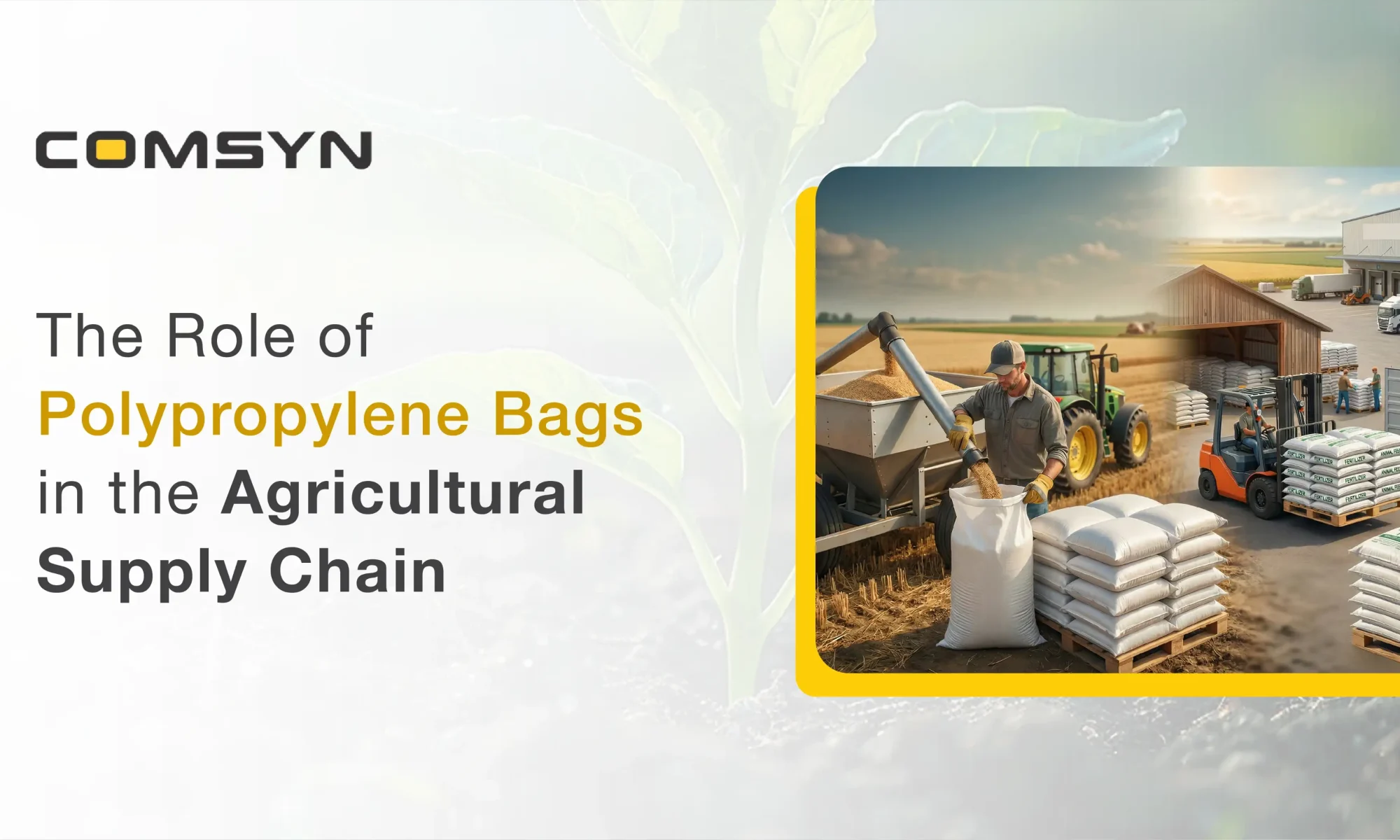
A strong and efficient logistics system is essential for agriculture to transport crops from farms to itineraries, such as markets, processing plants, and export channels. The Agricultural Supply Chain has several stages, namely: harvesting, storage, transporting, and distribution of agricultural produce. Throughout the agricultural supply chain, proper packaging plays a critical role in the preservation of crop quality and the reduction of product loss. Polypropylene bags are one of the most reliable packaging solutions available in today’s agricultural environment. They are durable, flexible, economical, and provide farmers/agribusinesses the ability to efficiently store and/or transport major volumes of agricultural commodities (i.e., grains, seeds) at any stage in the farm to food supply chain. Polypropylene bags are made of high-strength, moisture-resistant, woven polypropylene fabric. The high strength, moisture resistance, and heavy load capacity make them suitable for use on both small (lower volume) and large-scale (higher-volume) farms. They protect agricultural commodities from the time they are harvested until they are ultimately delivered to the final distribution point. In this article, we will examine how the use of polypropylene bags throughout the Agricultural Supply Chain enables the agricultural logistics industry to maintain sustainable agricultural logistics, as well as how important it is to choose reliable suppliers of polypropylene bags for your agricultural logistics business. Agriculture today needs storage and transportation solutions that are able to withstand extreme conditions, rugged handling, and high volume. One of the best solutions for fulfilling these needs is polypropylene bags, as they are designed to be extremely durable and versatile. Agriculture has to be flexible because of the uncertainty of climate change, stores can vary by up to 75% at any time, and produce needs to be moved quickly. There are many traditional packaging materials available to meet these needs, but they may not have the strength or protection that agricultural products require when being transported to market. Polypropylene packaging is designed specifically for use in agriculture and is able to perform as expected in a heavy-duty environment. Strength of Polypropylene Fabric in Agricultural Use Strength is one of the main reasons there is a high level of demand for polypropylene fabric in agricultural packing. Polypropylene fabric is a woven product manufactured by weaving together high-quality polypropylene tapes into a strong, durable fabric. Some of the advantages of polypropylene fabric are: These characteristics make polypropylene bags perfect for packaging and transporting agricultural products, including rice, wheat, corn, beans, fertilizers, and animal feed. Among all the steps involved in the agricultural process, storage tends to be one of the most important. Improperly stored agricultural products may lead to spoilage, contamination, and losses in revenue to farm owners. Polypropylene bulk bags are an effective method of safely storing large volumes of agricultural products. Polypropylene bulk bags are designed to retain their shape when stacked in warehouses or at other locations. The breathable design allows for air circulation to certain types of crops; if moisture protection is required, a protective liner can be installed within the bulk bag. Packaging is critical to the smooth transition of crops from farm to market; polypropylene bags are used as a form of packaging for crops in various stages of the agriculture supply chain and provide a secure way to package crops effectively. Collection of crops and handling on the farm occur during harvest; therefore, farmers need to quickly and safely bring harvested crops from the field to the processing or transport stage. Farmers require strong packaging (bags) to withstand the weight of what they are bringing in from the field, as well as the unsympathetic treatment given to produce during handling. Polypropylene packaging provides farmers with the strength needed to harvest crops directly from the field. The fact that polypropylene packaging is lightweight allows farmers and agricultural businesses to easily carry and maneuver their harvest in bulk, thus reducing labor effort while positively affecting their operational efficiencies. The proper storage of grains and seeds is important. Once harvested, commodities must be stored in controlled, non-hazardous environments. Grains and seeds are highly susceptible to things like humidity, pests, a nd contamination, and require safe storage; polypropylene bulk bags provide a solution to these problems by allowing farmers and agricultural businesses to safely store a large amount of grain in storage areas. Transportation of goods to market is yet another point at which product packaging can affect the safety of agricultural goods. Transportation of agricultural products to market or process plants requires a significant amount of time and travels a considerable distance before reaching its destination, to help provide some form of insurance to maintain product fidelity. The overwhelming reason farmers, distributors, and agribusinesses use so much polypropylene packaging in the agriculture industry is because of the significant benefits it provides. Agricultural products are subject to many environmental influences, including moisture, dirt, and contamination. Polypropylene packaging provides exceptional moisture resistance and a barrier against the elements. This barrier helps to preserve the quality and longevity of crops during storage and transportation. Moisture levels must be maintained for sensitive items like grains and seed to prevent spoilage. The cost of packaging materials can have an enormous effect on a large agricultural operation’s bottom line. By providing a cost-effective bulk package alternative to rigid containers and other forms of bulk packaging, polypropylene bags deliver substantial savings in packaging costs. Their lightweight construction allows for low shipping costs, and their durability enables multiple uses of the bags. This combination of affordability and reliability makes polypropylene bags the favored choice of farmers and agricultural exporters. Selecting a Packaging Partner When selecting a packaging partner, it is important to select one that can provide reliable quality and performance. The supply of polypropylene bags is a key part of creating and supplying durable packaging products to the agricultural industry. Quality Standards for Polypropylene Bags In order to produce a bag with strength and reliability, producing high-quality polypropylene fabric is essential. Manufacturers that supply agricultural bags will have requisitioned fabric that meets strict fabric quality standards, including durability and strength. For example, quality tests will cover aspects such as weight-bearing capacity, seam-strength testing, and tear-resistance testing. These tests ensure that bags are capable of being used in tough agricultural situations and will not fail in the field. Crop Product Specific Customization Due to the varying nature of crops, there is a need for multiple types and customs of packaging solutions; therefore, many manufacturers of reliable agricultural bags offer the following customization options: Custom bag sizes and Load sizes for product specifications With this variety of different customization options available to farmers and agribusinesses, they can choose the bag that meets their crop’s storage and transportation needs. Manufacturers that have advanced manufacturing processes, as well as the ability to offer products that are customizable, make it easier to offer reliable agricultural packaging solutions among many other industries. In modern agriculture, sustainability is becoming increasingly important. The purpose of packaging is to protect the product while minimizing its negative effects on the environment. One of the principal benefits of polypropylene bulk bags is that they can be reused many times. Many bulk bags are constructed to be reused several times prior to recycling, which helps reduce the amount of waste generated by packaging. With their longer lifespan, polypropylene packaging products are more eco-friendly choices than single-use packaging materials. Efficient packaging systems can help reduce shrinkage throughout the agricultural supply chain. By protecting against damage to products or contamination, polypropylene bags will contribute to the reduction of food waste and enhancement of the agricultural supply chain’s effectiveness. Additionally, using recyclable materials as packaging support will increase environmental sustainability by reducing landfill/surface waste and promoting a circular approach to packaging. As agriculture becomes more advanced and modernized, the packaging technologies have had to change and evolve with these advancements in agricultural practices. New materials and advances in how manufacturing occurs have led to an evolution in the performance of polypropylene bulk bags and packaging products. Future developments will lead to even stronger materials, more sustainable packaging options, and “smart” packaging solutions that can aid in better tracking of product movement within the supply chain. All of these developments will aid in giving farmers and agribusinesses more efficient means of managing their crops while maintaining the highest quality of product. Within this agricultural technology evolution, Companies such as Comsyn have stepped up to the plate and are supporting the modern agricultural supply chain by manufacturing quality and high-performance polypropylene bulk bags for the modern agricultural logistics space. As of now, Comsyn is dedicated to the highest quality manufacturing processes, using the most durable of materials, and providing farmers/agricultural businesses with customized packaging solutions at each phase of the agricultural supply chain. 1. What do you think are the main reasons polypropylene is a popular choice in agriculture? There are several reasons why polypropylene bags are a popular option in agriculture, including their strength, lightweight, durability, and ability to protect agricultural products during storage, as well as their ability to hold large amounts of produce. 2. How does a polypropylene bulk bag help keep crops safe while travelling? Polypropylene bulk bags have high tensile strength and tearing resistance to help securely hold crops in place throughout loading, transport, and unloading. 3. Do you think that polypropylene bags are good for long-term grain storage? Yes, polypropylene bags are often used for long-term grain storage because they provide moisture protection, durability, and a safe way to store large quantities of crops. 4. What are some things a farmer should think about when selecting packaging bags? When selecting a packaging bag, farmers should consider many factors, including: bag strength, load capacity, moisture protection, durability, and the trustworthiness/reliability of their polypropylene bulk bag manufacturer(s). 5. How does Comsyn help the agricultural supply chain by supplying polypropylene packaging bags? By supplying high-quality polypropylene packaging solutions, Comsyn assists in providing the agricultural supply chain with safe grain storage, effective transportation,n and the ability to bulk handle produce.The Role of Polypropylene Bags in the Agricultural Supply Chain
Why Polypropylene Bags Matter in Agriculture?
How Polypropylene Bulk Bags Improve Storage?
Polypropylene Bags Across the Agricultural Supply Chain
Key Benefits for Farmers and Agribusiness
Choosing Reliable Polypropylene Bag Suppliers
Sustainability in Agricultural Packaging
The Evolving Future of Bulk Agricultural Packaging
FAQs

- About Us
- Products
- Markets Served
-
- Investor Relation
- Board Of Directors
- Committees Of Board
- Corporate Governance
- Financials
- Annual Report
- Key Managerial Positions
- Shareholding Pattern
- Notices
- Policies Programme
- Announcements
- Statement of Investor Complaints
- Unpaid & Unclaimed Dividend
- Prospectus
- Investors Contact
- Subsidiary Financials
- IEPF
- Preferential Issue – 2024
- MOA & AOA
- Integrated Filing
- Sustainability
- Contact Us
- TechTex
- Brochure