Modern construction projects require materials that improve soil stability, drainage, durability, and structural performance. One of the most important materials used in civil engineering and infrastructure development today is geotextile fabric. These synthetic fabrics are designed to enhance the performance of soil and construction layers, making them essential for roads, railways, drainage systems, landfills, and erosion control. There are different Types of Geotextile Fabric, each designed for specific construction applications. From separation and filtration to reinforcement and protection, geotextiles help engineers build stronger and longer-lasting structures. Choosing the right fabric type is critical because each project requires different strength, permeability, and durability characteristics. In this blog, we will explore the most commonly used Types of Geotextile Fabric and understand how they are used in construction, infrastructure, and civil engineering projects. Geotextile fabric is a permeable textile material made from synthetic fibers such as polypropylene or polyester. It is placed between soil layers or construction materials to improve stability, prevent material mixing, and ensure proper drainage. In construction, geotextiles are used for: Different projects require different Types of Geotextile Fabric, depending on the required strength, thickness, and permeability. Woven geotextiles are made by weaving synthetic fibers together to create a strong and durable fabric. These fabrics have high tensile strength and are commonly used where reinforcement is required. Uses in construction: Woven fabrics are one of the most widely used Types of Geotextile Fabric in infrastructure projects because they provide excellent strength and durability. Non-woven geotextiles are made by bonding fibers together using heat, chemicals, or needle punching. These fabrics are softer and more flexible compared to woven fabrics. Uses in construction: Non-woven fabrics allow water to pass through easily while preventing soil particles from moving, making them ideal for filtration applications. Knitted geotextiles are made by interlocking yarn loops together. These fabrics are less common but are used in specialized construction applications. Uses in construction: Among the different Types of Geotextile Fabric, knitted fabrics are used when flexibility and strength are both required. Slit film geotextiles are made from flat polypropylene tapes that are woven together. These fabrics are strong but have lower permeability compared to non-woven fabrics. Uses in construction: These fabrics are widely used in highways and heavy-duty construction projects. Monofilament geotextiles are made from single synthetic filaments woven together to create a strong and permeable fabric. Uses in construction: This type of fabric provides both strength and water flow, making it suitable for drainage and filtration applications. Needle-punched geotextiles are created by mechanically bonding fibers using needles. This process produces a thick, strong, and highly permeable fabric. Uses in construction: This is one of the most commonly used Types of Geotextile Fabric because it offers excellent filtration and durability. Heat-bonded fabrics are made by applying heat to synthetic fibers so they bond together. These fabrics are thinner and smoother compared to needle-punched fabrics. Uses in construction: They are used where moderate strength and good permeability are required. Composite geotextiles combine two or more materials to provide multiple functions in one product. These fabrics may include woven and non-woven layers together. Uses in construction: Composite fabrics are among the most advanced Types of Geotextile Fabric used in modern infrastructure projects. Geotextile tubes and containers are made from high-strength fabric and used for large-scale civil engineering projects. Uses in construction: These geotextile products help manage large volumes of soil, sand, or sludge safely. High-strength geotextiles are designed for projects where heavy loads and extreme conditions are involved. These fabrics have very high tensile strength and durability. Uses in construction: Among all Types of Geotextile Fabric, reinforcement fabrics are used when maximum stability and load support are required. Each construction project has different soil conditions, load requirements, and environmental factors. Selecting the correct geotextile fabric ensures: Using the wrong fabric can lead to structural failure, poor drainage, or erosion problems. Reliable manufacturers provide high-quality geotextile materials designed to meet strict construction standards and performance requirements. As infrastructure projects become more advanced, the demand for high-performance geotextiles is increasing. Modern construction requires materials that are stronger, more durable, and environmentally sustainable. New developments in synthetic fibers and manufacturing technology are improving the performance of different Types of Geotextile Fabric, making them suitable for complex engineering projects such as smart highways, coastal protection systems, and large-scale industrial foundations. Companies with advanced manufacturing capabilities, strict quality control, and experience in geosynthetic solutions continue to play an important role in supporting modern construction and infrastructure development. The main types include woven, non-woven, knitted, monofilament, slit film, composite, needle-punched, heat-bonded, reinforcement, and geotextile tubes. Woven geotextile fabric and high-strength reinforcement geotextiles are commonly used in road construction because they provide strong support and soil stabilization. Woven fabrics provide high strength and reinforcement, while non-woven fabrics offer better filtration and drainage properties. They are used in roads, railways, drainage systems, landfills, erosion control, embankments, foundations, and coastal protection projects. Geotextile fabric improves soil stability, prevents mixing of materials, allows proper drainage, and increases the life of construction structures.10 Types of Geotextile Fabric and Their Uses in Construction
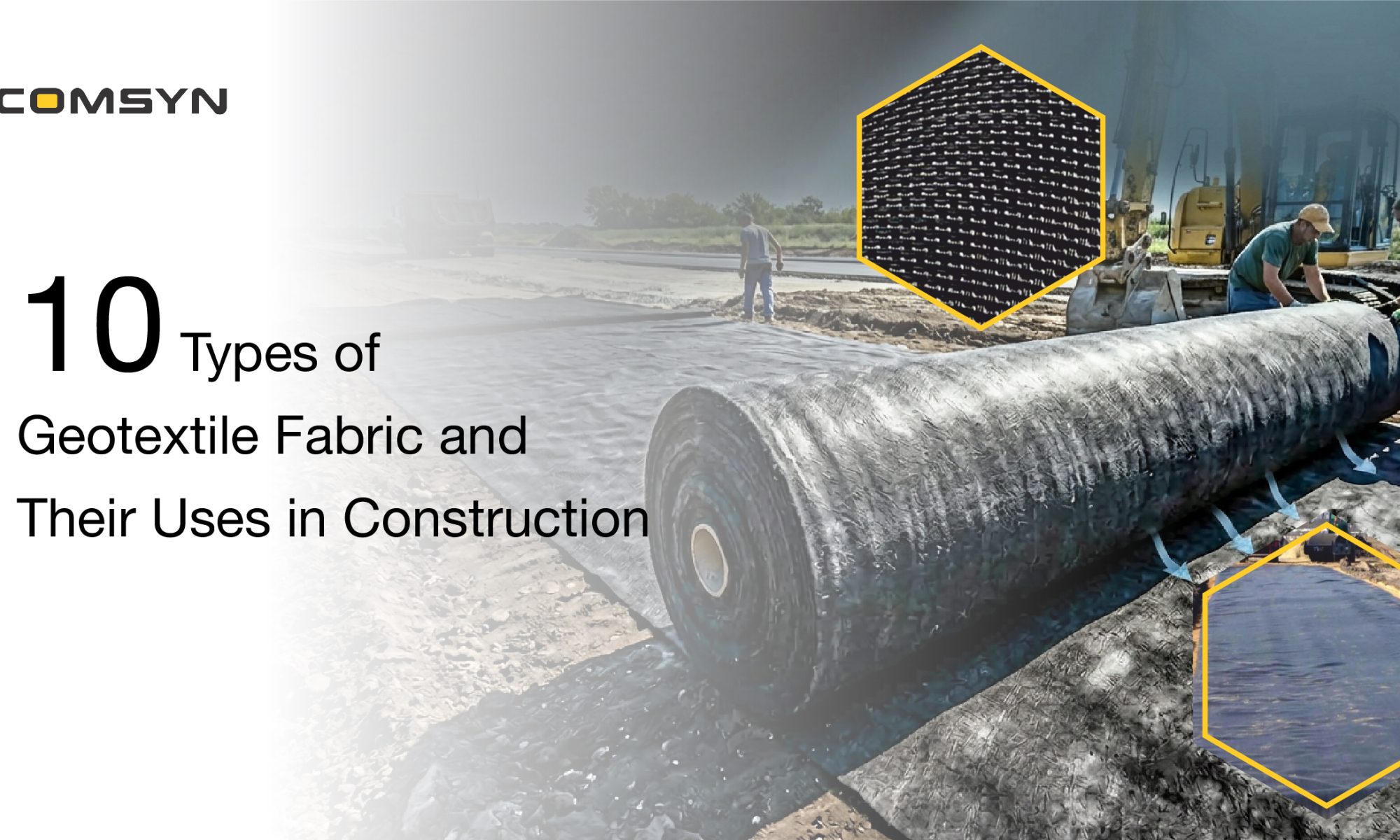
What Is Geotextile Fabric?
1. Woven Geotextile Fabric
2. Non-Woven Geotextile Fabric
3. Knitted Geotextile Fabric
4. Woven Slit Film Geotextile
5. Woven Monofilament Geotextile
6. Needle-Punched Non-Woven Geotextile
7. Heat-Bonded Non-Woven Geotextile
8. Composite Geotextile Fabric
9. Geotextile Tubes and Containers
10. High-Strength Reinforcement Geotextile
Why is choosing the Right Geotextile Fabric Is Important?
The Future of Geotextile Fabric in Construction
FAQs
What are the main types of geotextile fabric used in construction?
Which type of geotextile fabric is best for road construction?
What is the difference between woven and non-woven geotextile fabric?
Where are geotextile fabrics used in construction?
Why is geotextile fabric important in civil engineering?

- About Us
- Products
- Markets Served
-
- Investor Relation
- Board Of Directors
- Committees Of Board
- Corporate Governance
- Financials
- Annual Report
- Key Managerial Positions
- Shareholding Pattern
- Notices
- Policies Programme
- Announcements
- Statement of Investor Complaints
- Unpaid & Unclaimed Dividend
- Prospectus
- Investors Contact
- Subsidiary Financials
- IEPF
- Preferential Issue – 2024
- MOA & AOA
- Integrated Filing
- Sustainability
- Contact Us
- TechTex
- Brochure