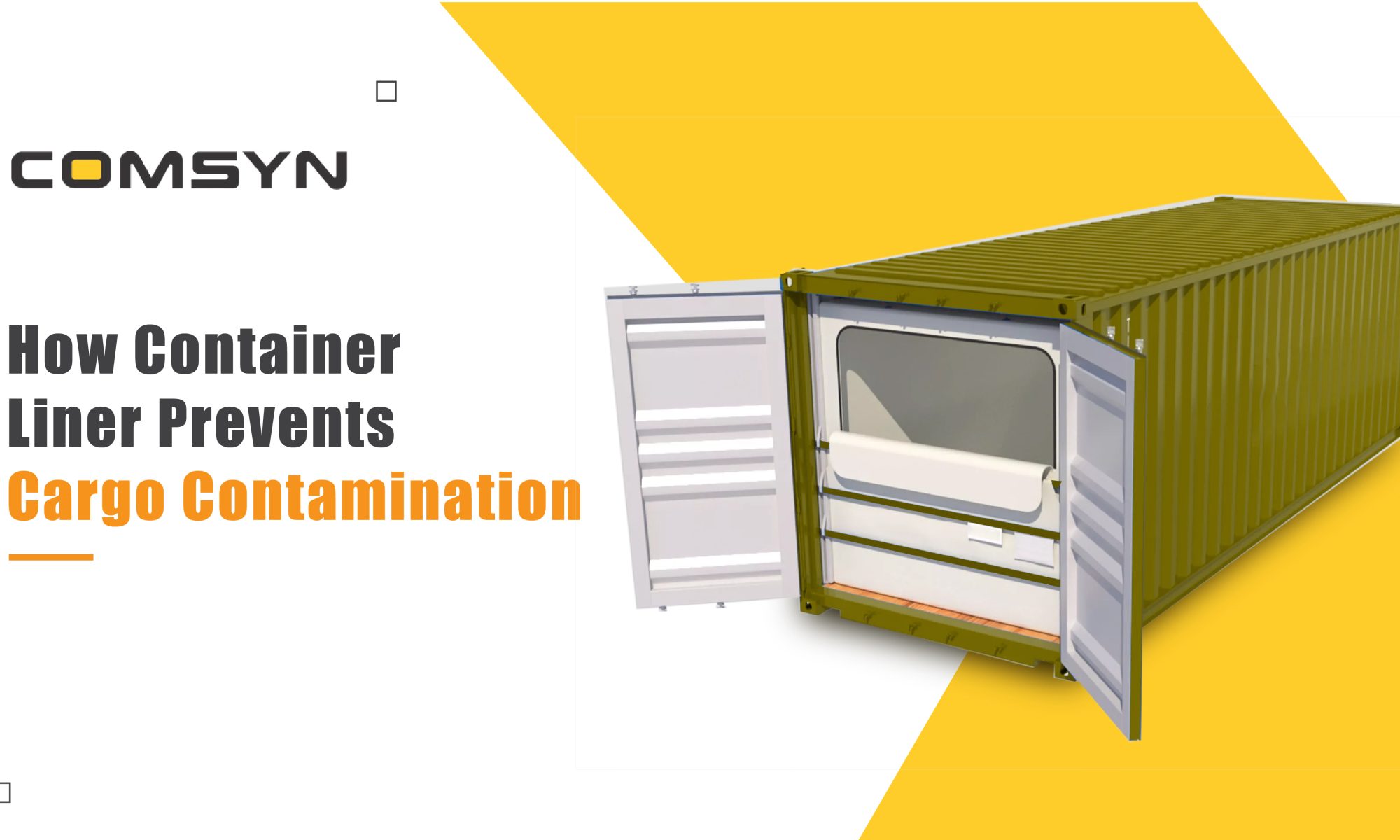
Exporters can experience a nightmare if their product was manufactured correctly but is rejected after being shipped to its destination port. The reason for this is contamination. Contamination can take several forms: rust flakes from a previous shipment, moisture caused by condensation in the container, insects hiding in the floorboards of the container, or the absorption of odours by the product. All of these factors can lead to the loss of an entire shipment due to contamination and create disputes related to claims and damages to the reputation of the brand. The rise of global trade has led to increased scrutiny of products. An example of this would be the presence of a black blemish on a bag of sugar or an odour coming from a plastic polymer product. These products would be subject to rejection of the cargo for contamination, thus halting the shipment of the products to the end user. This is why many exporters, manufacturers, and logistics companies are using container liners to safeguard against contamination. Container liners provide a safe, clean, and sanitary transport environment for products by transforming used or previously shipped containers into a food-grade environment. Comsyn manufactures high-quality container liner bags for use in the food and chemical industries, including minerals and polymers. Comsyn has earned the trust of customers worldwide who have received their products with no contamination through international transport. In addition to being subjected to multiple freight movements, ideal shipping containers experience exposure to dust and chemicals, and the surrounding environment, coupled with condensation, surface roughness on the full cargo at the time of shipment. Also, even after having “cleaned” containers, in most cases, there will still be volumes of cargo that are hidden. Below are some of the primary risks associated with foreign contaminants faced by exporters. Although by sweeping and washing, there was some attempt to remove cargo residues, there are residues embedded in the flooring and walls that remain in the container. As vibrations occur during transit on the container due to the movement of the truck and jolting of the goods being loaded and unloaded, these materials shake loose and fall into or onto the new cargo, especially within a bulk load. Transit within a shipping container across the ocean exposes the container and goods being transported to temperature fluctuations, leading to container “sweat.” This sweat creates problems for any hygroscopic cargo transported within the container; moisture will drip from the ceiling and run or mix with hygroscopic products, including: As a result of this situation, it leads to the formation of a caking effect and mould, which degrades the quality of the product being shipped. Steel containers have a natural tendency to corrode with age, which leads to a splitting of the rust that results in the rust falling off and into high-purity materials during the shipping of pharmaceuticals and food ingredients, etc. There is rarely a container free of pests. Many times, containers are left there with pests, including cockroaches, weevils, and various insects, which attach themselves to the wooden floorboards and crevices of the container between shipments. These infestations can cause total spoilage of an entire shipment of grains, coffee, spices, feed ingredients, milk powder, etc. A variety of strong-smelling materials, including fish meal and garlic (as well as rubber latex), impart an odor to carrier/container surfaces that, when the next shipment is placed in the same carrier/container, results in the odor being transferred to the next shipment. This transfer of odor from the carrier/container to the next shipment can result in: Refusal of shipment A woven container liner provides complete protection from these occurrences by creating a complete and enclosed box. Consider the container liner bag as an extra protective bag inside a standard shipping container. After being put into the container, the liner bag does the following: Container liners are made of: Once installed, the liner becomes a hermetic barrier: In other words, the liner converts an ordinary contaminated shipping container into an uncontaminated bulk packaging system that is clean, controlled, and protected from contamination. There are several types of materials that contain impurities, moisture, odour, and chemicals; these are not only harmful but also high-risk when transported without liners. Examples of high-risk goods to be transported without liner include: If there are any traces of microscopic contaminants in food, shipment rejection will occur. Liners allow for 99% purity while shipping. Masterbatches Linears keep black specks and contaminants from mixing with granules and powders. High-purity materials must remain free of contaminants; if a particle of rust or any substance that contains a smell or odour enters, the material can not be used for making a batch. Minerals (e.g., titanium dioxide, talc, calcium carbonate) need to be completely pure and protected from moisture during storage; therefore, using container liners allows for standardized product quality. Many types of chemicals, fertilisers, and powders will absorb moisture, clump together, and change chemically when they are exposed to odours. The use of a liner eliminates these problems and keeps the product free from contamination during transport. When installed correctly, a container liner provides: Rust, dust, leftover cargo, and paint chips cannot penetrate the liner and contaminate the cargo. All external humidity and condensation are blocked by the PE film’s water barriers. Because these systems are tightly sealed, no crawling or flying insects can gain entry to the containers. Because they are made of food-grade material, these liners prevent the transfer of odours, even those caused by very strong-smelling prior loads. The advantages of using these liners in practice result in: The simple handling of container liners (one of the reasons they have had such rapid growth as a means of industrial logistics) is one of the main reasons for their rapid development: With just two workers and a blower, liner installation is fast and easy without: -Tools -Ladders -Special equipment The straps, hooks, and loops provide the perfect fit for any GP/HC container, either 20 ft or 40 ft. Bulk cargo such as food, chemicals, resins, and minerals can be loaded: -Using a pneumatic loader -Using a conveyor -By gravity All methods will load bulk material directly into the liner, with no interruption in your existing process. To unload bulk material, either open the rear discharge spout or the top hatch. Bulk material exits the container via the liner, and the liner remains within the container. Single-use liners: Collected, folded, and recycled. Multi-use liners: Designed for 3 to 5 cycles, with proper cleaning required. Comsyn is a worldwide leader in the manufacturing of high-quality container liners that offer protection for the world’s delicate cargo. Comsyn liners are manufactured with a one-piece floor design. This eliminates the possibility of stitched seams and protects against: Comsyn manufactures: Comsyn Liners can be custom-made for: Comsyn maintains warehouses in: This allows us to process orders and ship out in 48 hours for any Urgent shipments. Shipping sensitive materials in today’s tight schedules and zero-tolerance supply chains is more than just a hassle if you do not have a container liner; it is a decision made with careful thought. Every time you transport a load of sugar, polymer resin, pharmaceuticals, or a mineral, the load reflects on you, and your company’s name and reputation, and a single contaminant can result in thousands of dollars in damages to you, shipping delays, and loss of customer trust. The use of a quality container liner protects the product from being contaminated, guarantees the purity of the product, and provides end-to-end protection to your cargo during transportation. The use of engineered liners from Comsyn, combined with global certifications and the latest advancements in materials and precision manufacturing, guarantees that your shipment will be delivered as intended, clean, safe, and free from contamination. Yes, Liner systems designed to be chemically resistant to classes 8 & 9, are available; Comsyn designs custom liner systems based on each customer’s MSDS specifications. No, using a liner does not change the structural design of the container; All major survey agencies allow for the use of liners. Yes, it is possible; Many liner systems can be designed with partitions that allow for multiple parts to ship in one container. Yes, Comsyn will print the customer’s logo, hazard symbols, and any requested information directly onto the liner.How Container Liner Prevents Cargo Contamination?
What Exactly Causes Cargo Contamination in Dry Containers?
How Does a Container Liner Create a Complete Protective Barrier?
Which Types of Cargo Are Most at Risk Without a Liner?
How Much Contamination Risk Do Liners Actually Eliminate?
How Easy Is Installation and Removal?
How Comsyn Delivers Superior Contamination Protection
100% Food-Grade Materials
Seamless Floor Design
Specialized Variants for All Industries
Perfect Fit Guarantee
All custom-fitted liners have reinforced:
Global Stock and Fast Shipping
Conclusion
FAQs

- About Us
- Products
- Markets Served
-
- Investor Relation
- Board Of Directors
- Committees Of Board
- Corporate Governance
- Financials
- Annual Report
- Key Managerial Positions
- Shareholding Pattern
- Notices
- Policies Programme
- Announcements
- Statement of Investor Complaints
- Unpaid & Unclaimed Dividend
- Prospectus
- Investors Contact
- Subsidiary Financials
- IEPF
- Preferential Issue – 2024
- MOA & AOA
- Integrated Filing
- Sustainability
- Contact Us
- TechTex
- Brochure